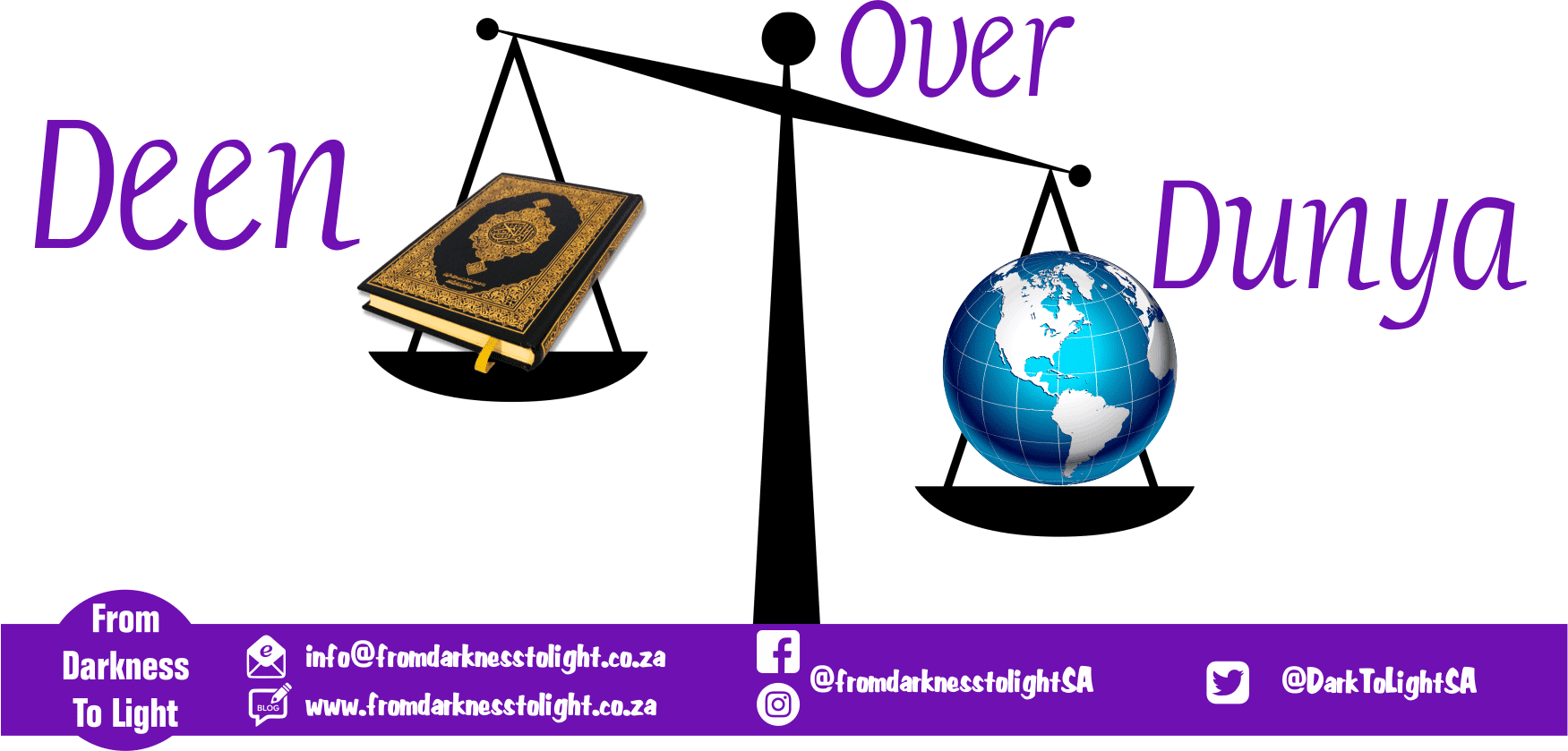
Life in this dunya (world) is a constant weaving of happiness and sorrow, ease and difficulty, hope and heartbreak. When things are going well, we feel light. We feel grateful. We savour the good moments, the answered du‘as, the doors that open effortlessly. We smile at how beautifully everything is unfolding for us. But life does not move in a straight line. Sometimes, without warning, everything we depended on shifts beneath us.
Your employment takes an unexpected turn.
Your marriage collapses.
You suffer a miscarriage.
You cannot find a suitable spouse.
You are judged for your appearance, your background, your lineage.
People tell you you’re “not Islamic enough.”
Your family puts expectations on you that suffocate your heart.
And suddenly, because of a few painful events, your entire focus narrows onto the hardship. The blessings that once felt so clear become invisible. The whispers begin: Why is Allah doing this to me? I am trying. I am praying. I am making du‘a. Why is nothing changing? Why must I carry this pain?
This is the moment many people break. They become so overwhelmed by what hurts that they forget what Allah has given them. They forget the silent blessings that others beg for. Someone out there is crying in sujood for the very life you have right now.
Shaytaan works exactly in these vulnerable cracks of the heart. He amplifies the pain. He makes you forget your sabr. He diverts your thoughts from the good. He pushes you to question Allah, to question your du‘as, to question the value of prayer itself. And for some, the whispers become so heavy that they drift away from their worship, feeling as though they were doing Allah a favour, as though Allah “owes” them an easy life.
But my dear reader, this is precisely what Shaytaan wants. He wants your hardships to distance you from the One who can heal them.
The truth is simple and profound: every good and every hardship is from Allah, and nothing He allows into your life is without purpose. Allah does not break you to destroy you. He breaks you to rebuild you-softer, stronger, wiser, more sincere. The Prophet ﷺ said, “When Allah loves a servant, He tests him.” Not to punish, but to purify. Not to weaken, but to elevate [Sunan al-Tirmidhī 2396].
Hardship is often the doorway to a version of yourself that ease could never have shaped.
If we never struggled, how would we learn gratitude?
If we were never disappointed, how would we learn tawakkul?
If we never fell, how would we learn to rise?
If our hearts never shattered, how would we know the sweetness of being healed by Allah?
Allah tells us, “Indeed, with hardship comes ease.” (Qur’an 94:6)
Not after hardship, with it. Meaning, there is relief stitched into your suffering even if your eyes cannot see it yet.
Do not let this dunya make you forget who you are. You are allowed to feel broken. Islam never denied insaan their emotions. Even Ya‘qub (AS) cried until he lost his eyesight, and Allah still called him patient. But feeling broken is not the same as living broken. Do not stay in the darkness so long that you forget the way back to Allah.
Let the days that break you become the days that make you.
Let every heartbreak bring you closer to the Healer.
Let every unanswered du‘a strengthen your certainty that Allah is saving you for something better.
You can endure anything as long as you do not lose yaqeen in Allah. Hold onto that, even if by a thread because Allah sees you. Allah hears you and Allah is not done with your story.
when the dunya shakes you